


 Artificial intelligence (AI) tools like ChatGPT are transforming the workplace, helping organizations improve efficiency, streamline workflows, and enhance the employee experience. In HR, AI can assist with tasks such as drafting job descriptions, screening applicants, supporting onboarding, and answering routine employee questions. While these tools can save time and improve productivity, they also introduce legal, ethical, and privacy concerns that require careful oversight.
How AI Supports HR
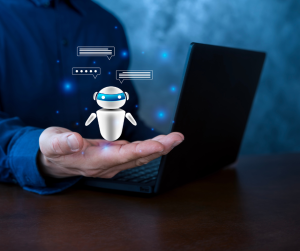
AI chatbots use natural language processing to understand user questions and generate human-like responses. HR teams are increasingly using these tools to automate repetitive tasks, provide quick access to policies and benefits information, assist with recruiting, and create performance review content. By handling administrative work, AI allows HR professionals to focus on more strategic initiatives.
Key Risks to Consider
Although AI offers many advantages, it should not replace human judgment in employment-related decisions. Employers should be aware of several potential risks:
- Employee Privacy: Employees may share sensitive health or personal information with AI tools. Employers are responsible for protecting this data and ensuring it is handled appropriately.
- Copyright Concerns: AI-generated content may unintentionally resemble copyrighted material, creating potential intellectual property risks.
- Employment Law Compliance: AI systems trained on biased data can produce discriminatory outcomes in hiring, promotions, or other employment decisions. Employers must ensure AI use complies with labor and employment laws.
- Accommodation and Workplace Complaints: AI may fail to recognize requests for accommodations under the Americans with Disabilities Act (ADA), leave requests under the Family and Medical Leave Act (FMLA), or reports of harassment, discrimination, or retaliation that require prompt human attention.
- Data Security: AI platforms may collect user information or store submitted data, making strong privacy policies and safeguards essential.
- Confidential Information: Employees should never enter proprietary, confidential, or trade secret information into public AI tools, as the information could be retained or shared.
- Accuracy and Reliability: AI responses may be incomplete, outdated, or incorrect. HR professionals should review all AI-generated content before relying on it for important decisions.
Employer Takeaway
AI can be a valuable resource for HR, but it works best as a support tool, not a replacement for human expertise. Employers should establish clear policies for AI use, protect confidential information, monitor compliance with employment laws, and ensure HR professionals review AI-generated content before it is used. With thoughtful oversight, organizations can benefit from AI while minimizing legal and operational risks.